How to Practice Nature Spirituality
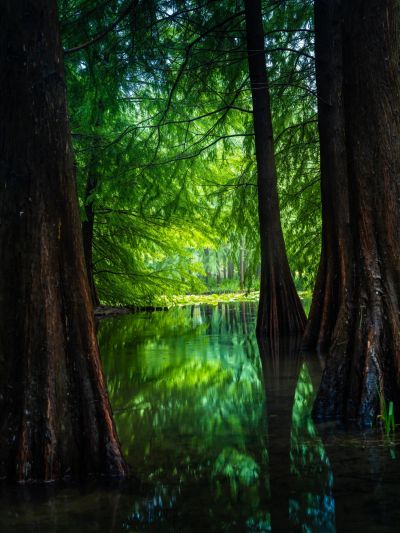
Nature spirituality is not only something to understand or believe. It is something to practice.
A spiritual relationship with nature develops in much the same way as any meaningful relationship: through attention, time, familiarity, gratitude, and care. It does not require dramatic experiences, elaborate ceremonies, or travel to a distant wilderness. It can begin in a backyard, garden, neighborhood park, wooded trail, or any place where you can become attentive to the living world.
For some people, nature spirituality includes prayer to God and reverence for creation. Others understand the sacred as present within the Earth and its living systems. Some describe the interconnectedness of life as Spirit, divine presence, consciousness, or the Web. Others remain uncertain about spiritual language but still experience wonder, belonging, and responsibility in nature.
There is no single correct way to practice nature spirituality. The purpose is to become more present within the living world and to allow that awareness to influence how you live.
If this subject is completely new to you, begin with our guide, Nature Spirituality for Beginners.
This page focuses on building a regular and meaningful practice.
Begin With Presence
The foundation of nature spirituality is attention.
Many of us move through the natural world without really noticing it. We walk while looking at our phones, drive past familiar trees without seeing them, and hear birds without listening closely enough to distinguish one call from another.
Practicing presence means slowing down long enough to notice where you are.
Choose an outdoor place where you feel safe and comfortable. Put away your phone or silence unnecessary notifications. Allow yourself to remain there without needing to accomplish anything.
Notice the temperature of the air.
Listen for nearby and distant sounds.
Observe movement in the branches, grass, clouds, water, birds, insects, or shadows.
Feel the ground beneath your feet.
You do not need to interpret what you experience. Begin by noticing.
The mind may continue to wander. That is normal. Each time you recognize that your attention has drifted, gently return to the place around you.
Even five or ten minutes of genuine attention can become a meaningful spiritual practice.
Create a Simple Daily Practice
A daily nature practice does not need to take much time. Consistency is more important than intensity.
Step outside for five to ten minutes each day. Stand, sit, or walk slowly. Allow yourself to notice something you would normally overlook.
You might observe:
- One sound
- One movement
- One living being
- One change in the weather
- One feeling within yourself
End by pausing for a moment of gratitude.
Your gratitude may be directed toward God, the Earth, the Web of life, or the countless relationships that make your life possible. You do not need to use words that feel unnatural. A quiet recognition of dependence and connection is enough.
A daily practice might be as simple as:
Today I noticed the wind moving through the trees.
I am grateful for the air, shelter, and life around me.
May I move through this day with greater care.
The purpose is not to force yourself into a spiritual mood. It is to interrupt distraction and remember that you are living within a world filled with other lives.
Take One Intentional Walk Each Week
Set aside time each week for a walk without entertainment or a demanding destination.
Leave behind headphones, podcasts, and unnecessary phone use. Walk slowly enough to observe what is happening around you.
Notice plants growing along the path. Look for insects, animal tracks, feathers, seeds, fungi, or signs of changing weather. Pay attention to places where water gathers or flows. Observe how human activity has affected the area.
An intentional walk is different from exercise, although it may also benefit your body. Its primary purpose is relationship.
A distracted walk passes through a place.
An attentive walk allows the place to become known.
You might begin the walk with a simple intention:
May I see clearly.
Or:
May I be present to the life around me.
At the end of the walk, pause before returning to your ordinary routine. Consider what you noticed and whether anything changed in your state of mind.
Build a Relationship With One Place
One of the most meaningful ways to deepen nature spirituality is to return regularly to the same place.
Choose a park, tree, garden, pond, trail, shoreline, or small outdoor area near your home. It does not need to be untouched wilderness. What matters is that you can visit it consistently.
Return at different times of day and throughout the year.
Notice how the light changes.
Which plants are growing?
Which animals appear?
What happens after heavy rain?
Which sounds are present in the morning but absent in the afternoon?
What flowers, fruits, insects, or birds arrive during particular seasons?
Repeated visits transform a location from scenery into relationship. You begin to recognize patterns, changes, and individual forms of life. The place becomes familiar, but never entirely predictable.
Over time, you may begin to feel less like an observer standing outside nature and more like a participant within it.
Learn About Your Local Ecosystem
Spiritual appreciation becomes deeper when it is joined with understanding.
Learn the names and roles of the plants, animals, fungi, waterways, and natural systems around you. You do not need to become an expert. Begin with one living being or ecological feature at a time.
You might learn about:
- A native tree
- A bird you regularly hear
- A pollinating insect
- A local mushroom
- The soil beneath your feet
- The watershed where your rainwater travels
- An invasive species affecting your area
- A plant that supports local wildlife
Learning a name can change the way we see.
A tree that once blended into the background may become a live oak that shelters birds, insects, mosses, and other organisms. A drainage ditch may become part of a larger watershed carrying water toward a river, spring, or coast.
Scientific understanding does not have to weaken spirituality. Knowledge can reveal the depth, complexity, and interdependence already present in the living world.
The more we understand a place, the more clearly we can recognize our responsibilities toward it.
Keep a Nature Journal
A nature journal helps turn brief experiences into an ongoing practice.
After sitting outdoors or taking a walk, write down what you observed. Your entry does not need to be polished or profound.
You might record:
- What you saw or heard
- Changes in the weather
- A plant or animal you noticed
- Something that surprised you
- A question that arose
- An emotion you experienced
- A lesson you are considering
- An action you feel called to take
You can also sketch leaves, record bird calls, note seasonal changes, or describe a familiar place.
Over time, your journal becomes a record of two connected journeys: the changes taking place in the natural world and the changes taking place within you.
Patterns may gradually become visible. You may notice that certain places calm you, that particular seasons bring difficult feelings, or that repeated attention creates a stronger desire to protect the land.
Practice Prayer, Gratitude, or Reflection
Nature spirituality can include prayer, but prayer does not need to follow one prescribed form.
A Christian may thank God for creation or pray for wisdom to become a better steward.
Another person may speak inwardly to the living Earth.
Someone connected to the Way of the Web may reflect on the relationships among soil, fungi, plants, animals, water, ancestors, and future generations.
Another person may simply sit in silence.
A nature-centered prayer might be:
May I remember that I do not live alone.
May I receive without taking more than I need.
May gratitude become responsibility.
May my actions bring less harm and greater care.
You can also reflect through questions:
- What is this place asking me to notice?
- What relationships make my life possible?
- Where have I become disconnected?
- What am I receiving from the Earth?
- What am I giving in return?
- What would responsible participation look like today?
Not every question needs an immediate answer. Sometimes the practice is to carry the question and allow understanding to develop slowly.
Observe Natural and Seasonal Rhythms
Nature spirituality often includes awareness of cycles.
Growth, maturity, decline, death, rest, and renewal can be observed throughout the living world.
These patterns may help us think more honestly about change in our own lives.
Pay attention to the actual season where you live rather than relying only on traditional images of the four seasons. The natural rhythms of Florida, for example, differ from those of northern climates. Rainfall, heat, flowering, hurricanes, migration, fruiting, and periods of dryness may be more locally meaningful than snow or autumn leaves.
Ask:
- What is growing now?
- What is flowering or producing fruit?
- What animals are arriving or leaving?
- Where is the land dry, flooded, damaged, or recovering?
- What is resting?
- What is being released?
- What is beginning again?
Avoid forcing every natural event into a personal metaphor. Nature does not exist merely to provide lessons for us.
Sometimes the most respectful practice is simply to witness what is happening.
Turn Reverence Into Stewardship
Nature spirituality should affect more than how we feel.
If the Earth is sacred, meaningful, or worthy of relationship, then our actions should reflect that understanding.
Stewardship can begin with small, realistic actions:
- Pick up litter during a walk
- Plant native or wildlife-supporting species
- Avoid harmful pesticides
- Conserve water
- Compost food and garden material
- Create habitat for birds and pollinators
- Remove invasive plants responsibly
- Support ecological restoration
- Volunteer in a park, garden, or community project
- Learn how your daily choices affect land and water
The goal is not personal purity or perfection. No one lives without affecting the environment.
The goal is greater awareness, reduced harm, and increasing participation in repair.
Stewardship should also extend to people. Environmental harm often falls most heavily on vulnerable communities. Caring for the Earth and caring for human beings are not separate spiritual responsibilities.
Reverence becomes credible when it leads to care.
Practice Reciprocity
Many people approach nature primarily by asking what it can provide.
Can nature calm me?
Can it heal me?
Can it inspire me?
Can it give me a spiritual experience?
These are understandable questions, but a relationship based only on receiving remains incomplete.
Reciprocity asks:
What am I willing to give back?
This does not mean trying to repay the Earth as though life were a financial transaction. It means allowing gratitude to become participation.
You might care for a local place, support habitat restoration, share ecological knowledge, help someone begin a garden, reduce unnecessary consumption, or protect a natural area from neglect.
Receiving and giving belong together.
Practice With Other People
Solitary time in nature can be deeply meaningful, but community offers something different.
Other people may notice what you overlook. They may carry knowledge, questions, and experiences that broaden your understanding. Community also creates opportunities for shared stewardship and accountability.
You might:
- Walk with a friend
- Join a nature-centered discussion
- Volunteer with a local environmental group
- Attend a community garden
- Participate in a cleanup
- Study local ecology with others
- Join a spiritual community that gathers outdoors
Healthy community does not require everyone to believe exactly the same thing. It should create room for sincere questions, respectful disagreement, shared learning, and meaningful action.
At The Holy Spring, we explore nature spirituality through outdoor gatherings, reflection, teaching, community, and care for the living world. Our gatherings are intended to help people move from private spiritual interest toward relationship, service, and shared practice.
A Simple Nature Spirituality Rhythm
You do not need to practice everything at once.
Begin with a rhythm that can realistically become part of your life.
Daily
Spend five to ten minutes outdoors without distraction.
Notice one sound, one movement, and one living being.
End with a moment of gratitude, prayer, or reflection.
Weekly
Take one intentional nature walk or spend a longer period sitting in a familiar natural place.
Write a brief journal entry afterward.
Monthly
Learn about one local plant, animal, fungus, waterway, or ecological issue.
Complete one act of stewardship or service.
Seasonally
Return to the same place and notice what has changed.
Reflect on the rhythms of growth, release, rest, disturbance, and renewal taking place around you.
Consider whether your own habits or responsibilities should change with the season.
When the Practice Feels Ordinary
Not every visit to nature will feel profound.
Some walks will be peaceful. Others may feel uncomfortable, distracted, hot, wet, noisy, or uneventful. You may not receive an insight or feel spiritually connected every time.
That does not mean the practice has failed.
Relationships deepen through ordinary presence, not only extraordinary moments.
A person who cares for a garden does not expect every day to produce a revelation. They water, observe, learn, adjust, and return.
Nature spirituality develops in the same way.
Continue showing up.
Avoid Chasing Spiritual Intensity
Powerful experiences of awe and connection can be meaningful, but they should not become the only measure of spiritual growth.
Constantly chasing intense experiences can cause us to overlook the quieter work of patience, responsibility, humility, and care.
Ask not only:
What did I feel?
Also ask:
What did I learn?
How am I living differently?
Am I becoming more attentive?
Am I causing less harm?
Am I contributing to the well-being of the places and communities around me?
A practice that creates strong feelings but no lasting responsibility remains incomplete.
Respect Traditions That Are Not Your Own
Many Indigenous and traditional cultures have deep spiritual relationships with land, plants, animals, ancestors, and ceremony.
These traditions deserve respect. They should not be treated as a collection of symbols or rituals that can be removed from their cultural setting and casually adopted.
You do not need to imitate another culture to form a meaningful relationship with nature.
Begin where you are.
Learn the history of the land where you live.
Understand the local ecosystem.
Listen to people whose communities hold long-standing relationships with that place.
Develop practices rooted in honesty, humility, responsibility, and your actual life.
A Lifelong Relationship
Nature spirituality is not a course to complete.
It is a relationship that grows through attention, familiarity, gratitude, learning, and care.
Some experiences may bring awe. Others may bring silence, grief, discomfort, or unanswered questions. Each can become part of a deeper understanding of what it means to live within a world filled with other lives.
The goal is not to become spiritually perfect.
The goal is to become a more attentive, grateful, compassionate, and responsible participant in the living world.
Begin with one place.
Choose one practice.
Offer one act of care.
Then return.
Continue Exploring
Nature Spirituality for Beginners
Learn the foundations of nature spirituality and how to begin exploring the path.
What Is Nature Spirituality?
Explore the meaning, history, beliefs, and modern expressions of nature-centered spirituality.
Is Nature Spirituality a Religion?
Consider whether nature spirituality is a religion, philosophy, spiritual orientation, or way of life.
Can Christians Practice Nature Spirituality?
Explore how nature-centered practice may relate to Christianity, creation, prayer, and stewardship.
What Is a Nature Church?
Learn how nature-centered spiritual communities gather, practice, serve, and worship.
Explore With The Holy Spring
The Holy Spring is a nature-centered spiritual community based in Spring Hill, Florida.
We gather to walk, reflect, learn, serve, and explore what it means to live in deeper relationship with the natural world. Our community welcomes sincere seekers who are interested in nature spirituality, ecological responsibility, spiritual reflection, and shared practice.
Join our free membership to receive information about gatherings, nature walks, community activities, and new teachings.
Begin with attention. Deepen through relationship. Let gratitude become care.